Discussion
Loading...

#Tag

Log in
  • About
  • Code of conduct
  • Privacy
  • About Bonfire
Konrad Hinsen boosted
Engineering Kiosk
Engineering Kiosk
@engkiosk@podcasts.social  ·  activity timestamp 3 days ago

Fortran ist nur Legacy? Nicht ganz.

Mit Martin Diehl sprechen wir über moderne Fortran Standards, HPC, OpenMP, MPI, Coarrays und warum hinter NumPy, SciPy und LAPACK oft Fortran steckt.

Plus: Compiler, LLVM, Community und Tooling.

🎧 https://engineeringkiosk.dev/episodes/259

#Fortran #SoftwareEngineering #ScientificComputing #HPC #Podcast

Sorry, no caption provided by author
Engineering Kiosk

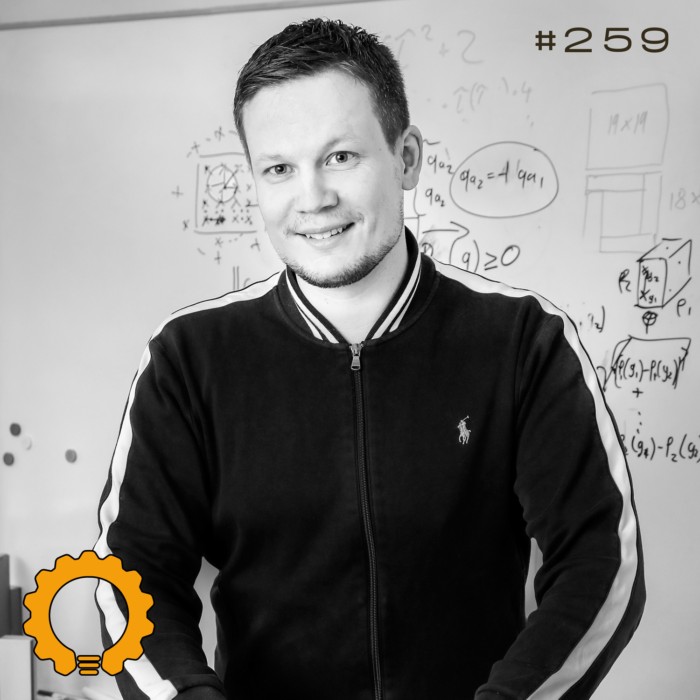
#259 Modern Fortran: Nach 70 Jahren immer noch ein HPC-Arbeitstier mit Prof. Martin Diehl - Engineering Kiosk

Fortran. Eine Sprache von 1957. Und trotzdem taucht sie im TIOBE Index plötzlich auf Platz 12 auf. Zufall, Messfehler oder ein echtes Comeback in High Performance Computing? Wenn du Fortran bisher in die Schublade Legacy und Lochkarten gesteckt hast, wird diese Episode deine Perspektive ziemlich sicher verschieben. In dieser Interviewfolge nehmen wir Fortran auseinander, aber fair. Mit dabei ist Martin Diehl, Professor an der KU Leuven, Materialwissenschaftler und Open-Source-Contributor. Wir klären, warum Fortran für wissenschaftliches Rechnen gebaut wurde, warum Performance und Memory Layout bis heute zählen und weshalb du bei NumPy und SciPy oft indirekt Fortran-Code nutzt. Dazu geht es um Modern Fortran, Rückwärtskompatibilität, Module, Typensystem, Tooling, den Fortran Package Manager FPM sowie neue Compiler wie Flang und L Fortran auf LLVM-Basis. Zum Abschluss wird es HPC konkret. OpenMP für Shared Memory, MPI für Distributed Memory und als Fortran-Spezialität Co Arrays – quasi Shared-Memory-Feelings im Cluster. Wenn du wissen willst, ob Fortran Teil des Problems oder der Lösung im Two-Language-Dilemma ist, dann hör rein. Bonus: Naming is hard, aber F minus minus war schon eine Ansage. Unsere aktuellen Werbepartner findest du auf https://engineeringkiosk.dev/partners Das schnelle Feedback zur Episode: 👍 (top) 👎 (geht so) Anregungen, Gedanken, Themen und WünscheDein Feedback zählt! Erreiche uns über einen der folgenden Kanäle … EngKiosk Community: https://engineeringkiosk.dev/join-discord LinkedIn: https://www.linkedin.com/company/engineering-kiosk/Email: stehtisch@engineeringkiosk.devMastodon: https://podcasts.social/@engkioskBluesky: https://bsky.app/profile/engineeringkiosk.bsky.socialInstagram: https://www.instagram.com/engineeringkiosk/ Unterstütze den Engineering KioskWenn du uns etwas Gutes tun möchtest … Kaffee schmeckt uns immer  Buy us a coffee: https://engineeringkiosk.dev/kaffee LinksHomepage von Martin Diehl: https://martin-diehl.net/Martin Diehl auf LinkedIn: https://www.linkedin.com/in/martin-diehl/Martin Diehl auf Github: https://github.com/mardiehlMartin Diehl auf Scholar: https://scholar.google.com/citations?user=ja83swsAAAAJ&hl=deTiobe Index: https://www.tiobe.com/tiobe-index/Fortran: https://fortran-lang.org/SciPy: https://scipy.org/NumPy: https://numpy.org/LAPACK - Linear Algebra PACKage: https://www.netlib.org/lapack/OpenMP: https://www.openmp.org/MPI: https://www.mpi-forum.orgCo-array Fortran: https://de.wikipedia.org/wiki/Co-array_FortranJulia Solves the 2 Language Problem, However It Creates the 1.5 Language Problem: https://www.youtube.com/watch?v=RUJFd-rEa0kLLVM: https://llvm.org/Julia Programmiersprache: https://julialang.org/PETSc: https://petsc.org/Flang: https://flang.llvm.org/docs/Fortran Discourse: https://fortran-lang.discourse.group/Fortran Package Manager: https://fpm.fortran-lang.org/TOP500 Supercomputer Liste: https://top500.orgMojo lang: https://www.modular.com/mojoDAMASK: https://damask-multiphysics.orgUS Fortran Standards Committee: https://j3-fortran.orgFortran Wiki: https://fortranwiki.orgLFortran: https://lfortran.org/ Sprungmarken(00:00:00) Fortran heute: TIOBE Index, Nostalgie und Relevanz (00:06:39) Info/Werbung (00:07:39) Fortran heute: TIOBE Index, Nostalgie und Relevanz (00:09:56) Warum Fortran entwickelt wurde und woher die Sprache kommt (00:14:24) Moderne Fortran Standards und Rückwärtskompatibilität (00:22:21) Fortran in Python: LAPACK, NumPy, SciPy und Performance (00:25:52) Typisierung, Speicherverwaltung und moderne Sprachfeatures (00:30:32) Module, Objektorientierung und Generics in Fortran (00:33:19) High Performance Computing: OpenMP, MPI und Coarrays (00:39:37) Python, Julia, C und das Two Language Dilemma (00:42:39) LLVM, Compilerentwicklung und die Zukunft von Fortran (01:00:27) Community, Package Manager und Onboarding in Fortran HostsWolfgang Gassler (https://gassler.dev) Andy Grunwald (https://andygrunwald.com/) CommunityDiskutiere mit uns und vielen anderen Tech-Spezialist⋅innen in unserer Engineering Kiosk Community unter https://engineeringkiosk.dev/join-discord

  • Copy link
  • Flag this post
  • Block
Engineering Kiosk
Engineering Kiosk
@engkiosk@podcasts.social  ·  activity timestamp 3 days ago

Fortran ist nur Legacy? Nicht ganz.

Mit Martin Diehl sprechen wir über moderne Fortran Standards, HPC, OpenMP, MPI, Coarrays und warum hinter NumPy, SciPy und LAPACK oft Fortran steckt.

Plus: Compiler, LLVM, Community und Tooling.

🎧 https://engineeringkiosk.dev/episodes/259

#Fortran #SoftwareEngineering #ScientificComputing #HPC #Podcast

Sorry, no caption provided by author
Engineering Kiosk

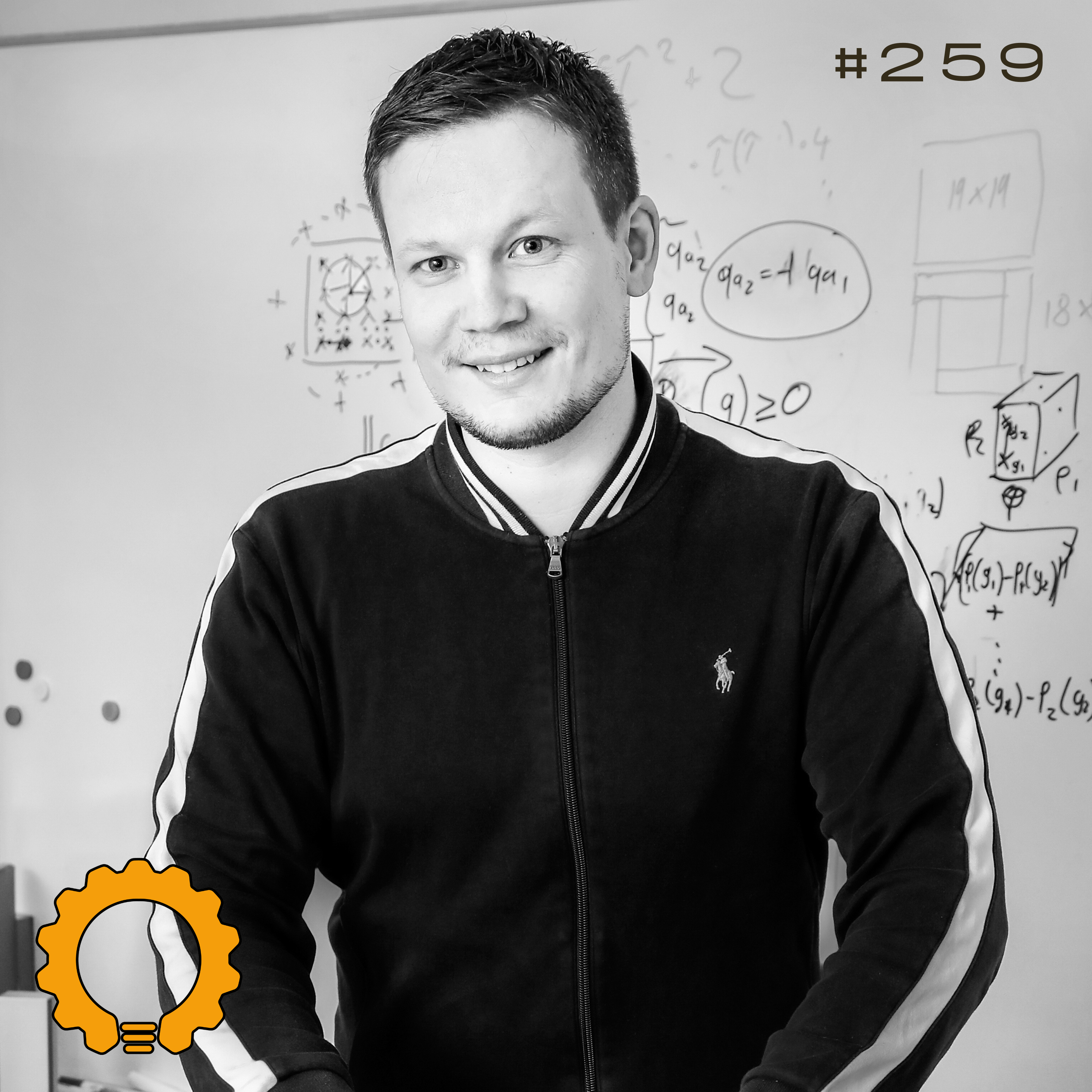
#259 Modern Fortran: Nach 70 Jahren immer noch ein HPC-Arbeitstier mit Prof. Martin Diehl - Engineering Kiosk

Fortran. Eine Sprache von 1957. Und trotzdem taucht sie im TIOBE Index plötzlich auf Platz 12 auf. Zufall, Messfehler oder ein echtes Comeback in High Performance Computing? Wenn du Fortran bisher in die Schublade Legacy und Lochkarten gesteckt hast, wird diese Episode deine Perspektive ziemlich sicher verschieben. In dieser Interviewfolge nehmen wir Fortran auseinander, aber fair. Mit dabei ist Martin Diehl, Professor an der KU Leuven, Materialwissenschaftler und Open-Source-Contributor. Wir klären, warum Fortran für wissenschaftliches Rechnen gebaut wurde, warum Performance und Memory Layout bis heute zählen und weshalb du bei NumPy und SciPy oft indirekt Fortran-Code nutzt. Dazu geht es um Modern Fortran, Rückwärtskompatibilität, Module, Typensystem, Tooling, den Fortran Package Manager FPM sowie neue Compiler wie Flang und L Fortran auf LLVM-Basis. Zum Abschluss wird es HPC konkret. OpenMP für Shared Memory, MPI für Distributed Memory und als Fortran-Spezialität Co Arrays – quasi Shared-Memory-Feelings im Cluster. Wenn du wissen willst, ob Fortran Teil des Problems oder der Lösung im Two-Language-Dilemma ist, dann hör rein. Bonus: Naming is hard, aber F minus minus war schon eine Ansage. Unsere aktuellen Werbepartner findest du auf https://engineeringkiosk.dev/partners Das schnelle Feedback zur Episode: 👍 (top) 👎 (geht so) Anregungen, Gedanken, Themen und WünscheDein Feedback zählt! Erreiche uns über einen der folgenden Kanäle … EngKiosk Community: https://engineeringkiosk.dev/join-discord LinkedIn: https://www.linkedin.com/company/engineering-kiosk/Email: stehtisch@engineeringkiosk.devMastodon: https://podcasts.social/@engkioskBluesky: https://bsky.app/profile/engineeringkiosk.bsky.socialInstagram: https://www.instagram.com/engineeringkiosk/ Unterstütze den Engineering KioskWenn du uns etwas Gutes tun möchtest … Kaffee schmeckt uns immer  Buy us a coffee: https://engineeringkiosk.dev/kaffee LinksHomepage von Martin Diehl: https://martin-diehl.net/Martin Diehl auf LinkedIn: https://www.linkedin.com/in/martin-diehl/Martin Diehl auf Github: https://github.com/mardiehlMartin Diehl auf Scholar: https://scholar.google.com/citations?user=ja83swsAAAAJ&hl=deTiobe Index: https://www.tiobe.com/tiobe-index/Fortran: https://fortran-lang.org/SciPy: https://scipy.org/NumPy: https://numpy.org/LAPACK - Linear Algebra PACKage: https://www.netlib.org/lapack/OpenMP: https://www.openmp.org/MPI: https://www.mpi-forum.orgCo-array Fortran: https://de.wikipedia.org/wiki/Co-array_FortranJulia Solves the 2 Language Problem, However It Creates the 1.5 Language Problem: https://www.youtube.com/watch?v=RUJFd-rEa0kLLVM: https://llvm.org/Julia Programmiersprache: https://julialang.org/PETSc: https://petsc.org/Flang: https://flang.llvm.org/docs/Fortran Discourse: https://fortran-lang.discourse.group/Fortran Package Manager: https://fpm.fortran-lang.org/TOP500 Supercomputer Liste: https://top500.orgMojo lang: https://www.modular.com/mojoDAMASK: https://damask-multiphysics.orgUS Fortran Standards Committee: https://j3-fortran.orgFortran Wiki: https://fortranwiki.orgLFortran: https://lfortran.org/ Sprungmarken(00:00:00) Fortran heute: TIOBE Index, Nostalgie und Relevanz (00:06:39) Info/Werbung (00:07:39) Fortran heute: TIOBE Index, Nostalgie und Relevanz (00:09:56) Warum Fortran entwickelt wurde und woher die Sprache kommt (00:14:24) Moderne Fortran Standards und Rückwärtskompatibilität (00:22:21) Fortran in Python: LAPACK, NumPy, SciPy und Performance (00:25:52) Typisierung, Speicherverwaltung und moderne Sprachfeatures (00:30:32) Module, Objektorientierung und Generics in Fortran (00:33:19) High Performance Computing: OpenMP, MPI und Coarrays (00:39:37) Python, Julia, C und das Two Language Dilemma (00:42:39) LLVM, Compilerentwicklung und die Zukunft von Fortran (01:00:27) Community, Package Manager und Onboarding in Fortran HostsWolfgang Gassler (https://gassler.dev) Andy Grunwald (https://andygrunwald.com/) CommunityDiskutiere mit uns und vielen anderen Tech-Spezialist⋅innen in unserer Engineering Kiosk Community unter https://engineeringkiosk.dev/join-discord
  • Copy link
  • Flag this post
  • Block

A small Bonfire corner on the internet

This is a small personal instance of Bonfire in the Fediverse.

A small Bonfire corner on the internet: About · Code of conduct · Privacy ·
Bonfire social · 1.0.1 no JS en
Automatic federation enabled
Log in
  • Explore
  • About
  • Code of Conduct